 +27 82 881 1843
 kerryn@kdtcomms.com / kerrydt@kdtagency.co.za
 Willow Road, Craighaven AH, 2191

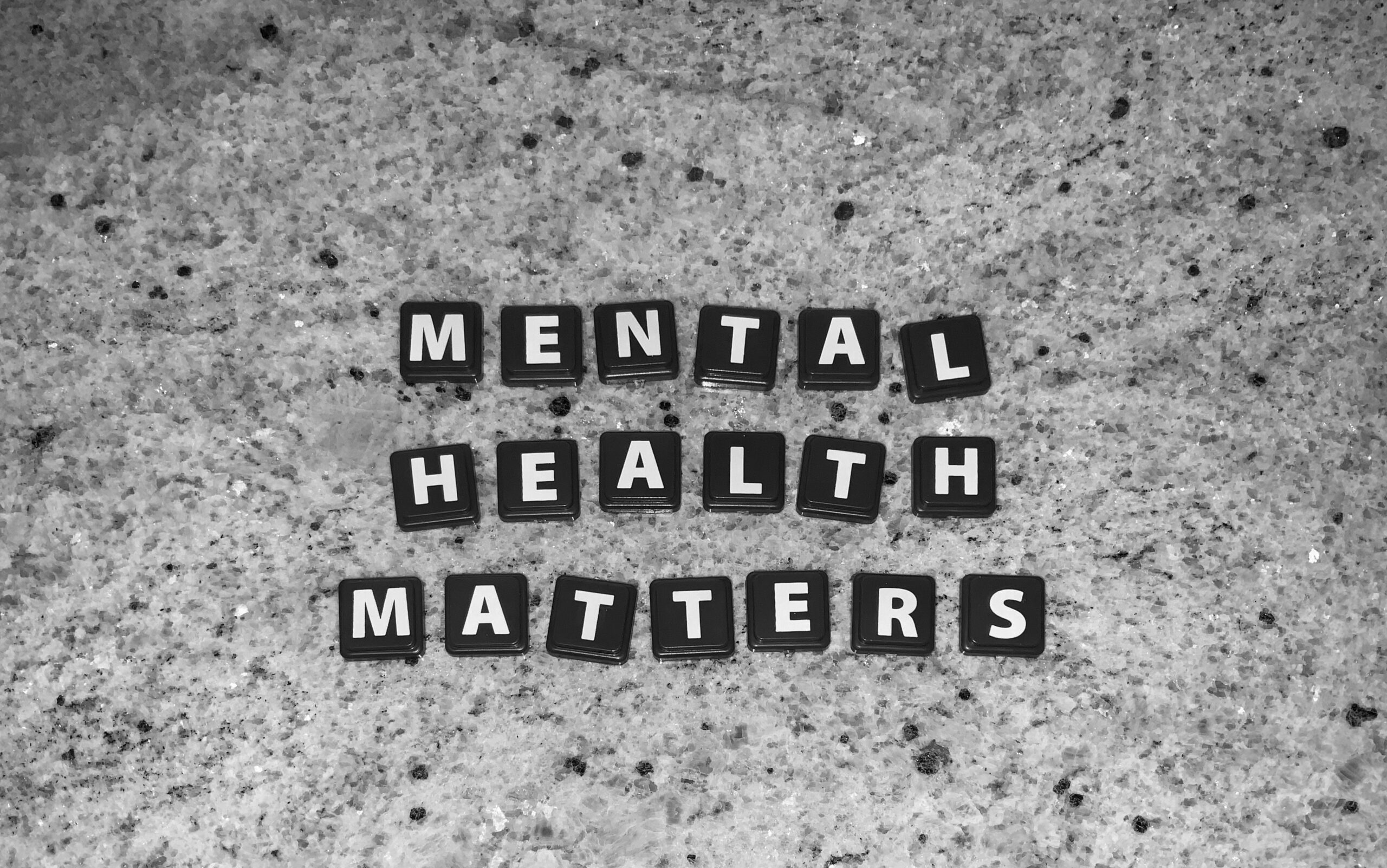
Creating content in 2026 can feel like a 24/7 job. Audiences expect rapid responses, constant updates, and a steady stream of engaging posts. For digital creators, this pressure can quickly become overwhelming. Social media never sleeps, and the fear of falling behind can make it feel like every moment offline is a missed opportunity. But the reality is stark: digital burnout is real, and ignoring mental health can have serious consequences for creativity, consistency, and overall wellbeing.
Burnout doesn’t just affect productivity—it affects quality. Exhausted creators produce content that feels flat, forced, or disconnected from their audience. Engagement drops, and the very community they’ve built can start to feel like a source of stress rather than inspiration. That’s why maintaining mental health isn’t a luxury—it’s essential for long-term success.
practical strategies for sustainable content creation
1. Set boundaries for work and online activity
One of the most effective ways to prevent burnout is to define when work starts and ends. Decide on “office hours” for social media management, content creation, and community engagement. Outside of these times, step away from notifications, messages, and analytics dashboards. Boundaries help the mind recharge and prevent the constant stress of being “always on.”
2. Schedule offline time
Taking intentional breaks from screens isn’t just restorative—it can spark creativity. Offline experiences, whether it’s a walk in nature, reading, or spending time with friends, allow your brain to process ideas in the background. Many creators find that stepping away for a few hours or even a day leads to fresh perspectives and more inspired content.
3. Lean on support networks and communities
Digital creation doesn’t have to be a solitary pursuit. Surround yourself with peers who understand the unique pressures of the creator economy. Sharing struggles, seeking advice, and exchanging strategies fosters resilience and accountability. Online creator networks or local meet-ups can provide perspective and encouragement when burnout looms.
4. Delegate and automate where possible
You don’t have to do everything yourself. Scheduling tools, AI content assistants, and analytics platforms can streamline repetitive tasks, freeing mental energy for creativity. Delegating editing, design, or administrative work to collaborators or freelancers can dramatically reduce stress.
5. Pace your content production
It’s tempting to post constantly to stay relevant, but quality should always outweigh quantity. Create a content calendar, plan batch production sessions, and set realistic goals for output. Regular pacing prevents exhaustion and ensures each piece of content reflects your best work.
6. Prioritise mindfulness and self-care
Simple daily practices—mindful breathing, journaling, meditation, or even short workouts—can anchor your mental health in a fast-moving digital world. Physical exercise boosts energy, while periods of reflection help you stay aligned with your goals, values, and the reason you create in the first place.
real-world examples
- Creators taking digital sabbaths: Many influencers in 2026 schedule entire weekends offline, sharing the break with their audience in advance. This builds respect for boundaries and demonstrates the importance of self-care.
- Batch content creation: Travel bloggers or fitness creators often produce multiple posts or videos in one day, then schedule them for the week. This reduces daily stress while maintaining a consistent feed.
- Community-driven accountability: Groups of creators support each other by sharing schedules, productivity tips, and emotional check-ins—turning competition into collaboration.
actionable insights
- Set clear content schedules and communicate them to your audience to prevent overworking.
- Take regular digital detoxes, even short ones, to recharge creativity and focus.
- Engage with peers and networks for accountability, advice, and encouragement.
- Prioritise quality over quantity in your content—slower, intentional posting beats burnout-driven output.
- Incorporate mindfulness practices into daily routines to protect mental and emotional wellbeing.
key takeaway
Sustainable content creation requires more than skill—it requires balance, boundaries, and self-care. Protecting your mental health ensures that you can continue to create consistently, engage authentically, and stay connected to the community that supports you. In 2026, the creators who thrive won’t be those who post the most—they’ll be the ones who prioritise their wellbeing while producing meaningful, authentic content.